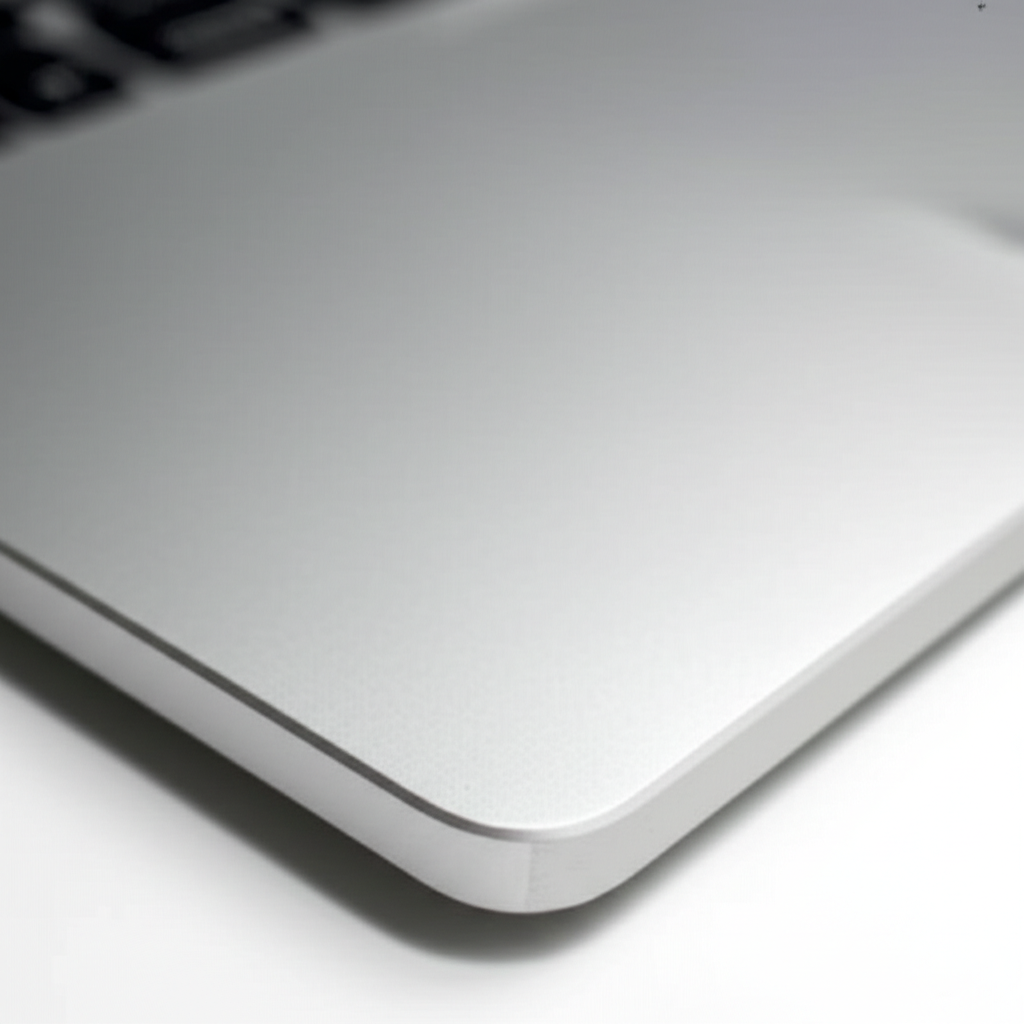

A low-cost MacBook is reportedly in the works at Apple, a strategic move poised to shake up the budget-friendly laptop market. This rumored device, expected to be powered by an iPhone chipset, signals Apple’s intent to directly challenge the dominance of Chromebooks and entry-level Windows PCs. For years, Apple’s MacBooks have been synonymous with premium performance and a hefty price tag, catering primarily to professionals, creatives, and users willing to invest in high-end computing. Now, the Cupertino giant appears ready to diversify its appeal, targeting students and budget-conscious consumers who have traditionally been excluded from the macOS ecosystem.
Filling a Crucial Gap in Apple’s Lineup
Apple has enjoyed a resurgence in MacBook sales, particularly since the introduction of its custom M-series silicon. These chips have delivered incredible performance and efficiency, cementing the Mac’s reputation for power and longevity. However, even the “entry-level” models, like the MacBook Air, often sit at a price point that remains out of reach for a significant portion of the market. This creates a substantial gap in Apple’s product portfolio, leaving a wide-open field for competitors offering devices under the $800-$1000 mark.
The forthcoming affordable MacBook aims to close this gap, making the Apple experience accessible to a broader demographic. By doing so, Apple isn’t just looking for incremental sales; it’s looking to cultivate a new generation of users, drawing them into its tightly integrated hardware and software ecosystem at a younger age or earlier in their tech journey. This move isn’t just about selling a laptop; it’s about securing future iPhone, iPad, and services customers.
The Battle for Budget Users: Taking on Chromebooks and Windows
The primary targets for this new low-cost MacBook are clear: Chromebooks and budget Windows PCs. Chromebooks, championed by Google, have carved out a significant niche in education and for users who primarily rely on web-based applications. Their affordability, simplicity, and excellent battery life make them compelling options for students and casual users. Similarly, a vast array of Windows laptops offer diverse configurations at attractive price points, appealing to mainstream consumers seeking versatility.
Apple’s entry into this segment is a direct assault on these established players. With the allure of the Apple brand, the robust macOS operating system, and potentially superior performance and build quality compared to many budget rivals, an affordable MacBook could quickly become a top contender. For students, the combination of Apple’s renowned software ecosystem and a more approachable price point could be irresistible, offering a premium experience typically associated with higher-priced devices.
Powering the Low-Cost MacBook: The iPhone Chipset Advantage
The reports suggest that the new affordable MacBook will be powered by an iPhone chipset. This is a fascinating prospect with several significant implications. Historically, MacBooks have used desktop-class processors. Shifting to an iPhone-derived chip, likely a slightly modified or augmented version of an A-series chip (like the A17 Pro found in the iPhone 15 Pro), offers a multitude of advantages:
- Cost Efficiency: iPhone chipsets are produced in massive volumes, allowing for economies of scale that can significantly drive down manufacturing costs for the MacBook.
- Performance & Efficiency: Modern iPhone chips are incredibly powerful and remarkably power-efficient. While they might not match the raw multi-core performance of an M-series chip in intensive tasks, they are more than capable of handling everyday computing, web browsing, productivity apps, and even some light photo/video editing. Their efficiency would also translate into excellent battery life, a highly desirable trait for students and mobile users.
- Ecosystem Harmony: Using an iPhone chipset further blurs the lines between Apple’s product categories, potentially enhancing continuity features and optimizing software performance across devices. It allows for even tighter integration within the Apple ecosystem.
This strategic choice would enable Apple to produce a truly low-cost device without sacrificing too much on the user experience.
What to Expect from an Affordable Apple Laptop
While specifics remain under wraps, we can infer some characteristics of this anticipated device. To hit a lower price point, Apple will likely need to make some compromises compared to its premium MacBooks. This could include:
- Materials and Build: Perhaps a more utilitarian chassis, possibly using different aluminum grades or plastic in certain areas, though still maintaining Apple’s expected quality standards.
- Display Technology: While likely still a Retina display, it might feature a slightly lower peak brightness, refresh rate, or color gamut compared to MacBook Air or Pro models.
- Port Selection: A more limited port selection, potentially just USB-C, mirroring the MacBook Air’s strategy for simplicity.
- Storage and RAM: Potentially lower base configurations for RAM and SSD storage, with upgrade options available.
- Fanless Design: Given the efficiency of iPhone chipsets, a fanless design is highly probable, leading to silent operation.
Despite these potential adjustments, the core macOS experience, Apple’s build quality reputation, and the power of its integrated software will undoubtedly be major selling points.
A New Era of Accessibility for Apple
If these reports hold true, the introduction of a low-cost MacBook represents more than just a new product launch; it’s a recalibration of Apple’s market strategy. It’s an acknowledgement that while premium products drive innovation and profit, true market dominance requires reaching a broader audience. By making its laptops more accessible, Apple stands to convert a new generation of users into lifelong customers, strengthen its ecosystem, and solidify its position in a fiercely competitive global market. This move could indeed see Apple taking a significant bite out of Google and Microsoft’s lunch, reshaping the landscape of affordable personal computing in the process.